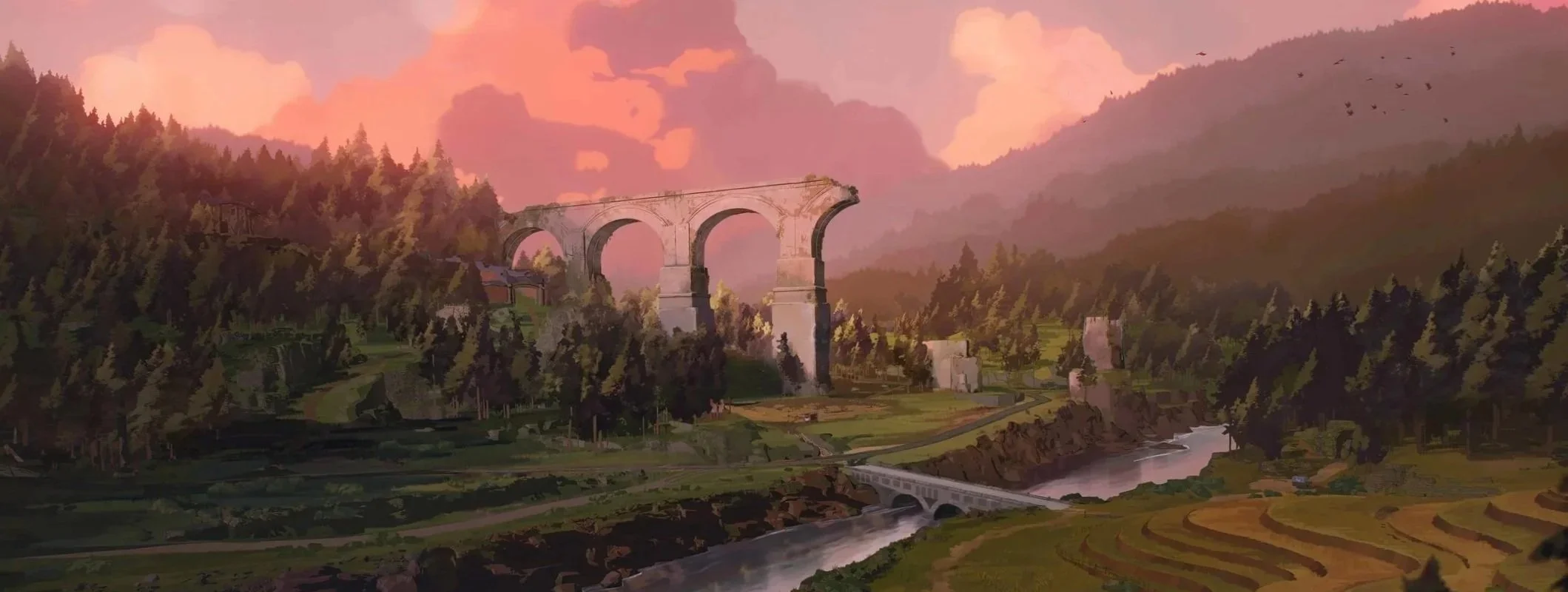
“A world-builder constructed with a consistency rarely seen outside FromSoft’s work.” — Edge
“Rather than being guided by objectives, the enjoyment comes from freely traveling, stopping, and discovering small details…” — Famitsu
SEASON: A LETTER TO THE FUTURE
ROLE & RESPONSIBILITIES
World Designer — Scavengers Studio
Owned open-world layout and traversal flow
Defined spatial rules supporting exploration-first gameplay
Defined the world design foundations (Pacing, rhythm, structure & logic)
Worked closely with art and narrative to maintain world coherence
I got hired by the Season team to create a semi-open world hub. The demo of the game was very linear and there was an intent to create an interesting world to explore freely, at the player’s own rhythm.
The game already had the very first level and the last, I had to design the maps and flow between the two ends. With this mandate, I created 2 linear maps that serves as a narrative bridge between two acts. Those levels were created to slowly expose the game mechanics in a controlled environment.
The open world segment is named the Tieng Valley. It is a small hub that follows the structure and design of an open world, embracing freedom of navigation, peaceful contemplation and strong environment story telling.
While SEASON is non-violent, the lessons around player-led navigation, landmark-driven flow, and large-scale coherence directly inform my current work on PvP open-world systems.
WORLD DESIGN FOUNDATIONS
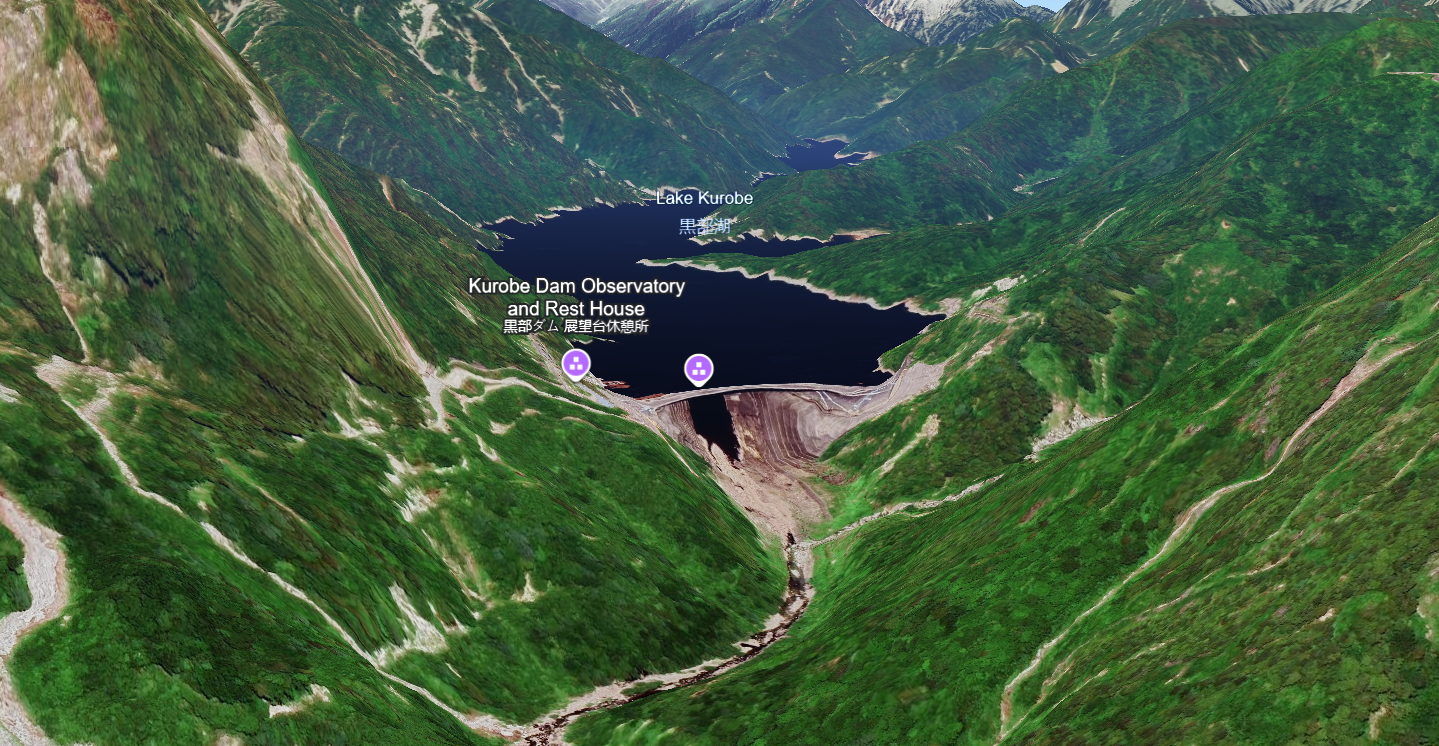
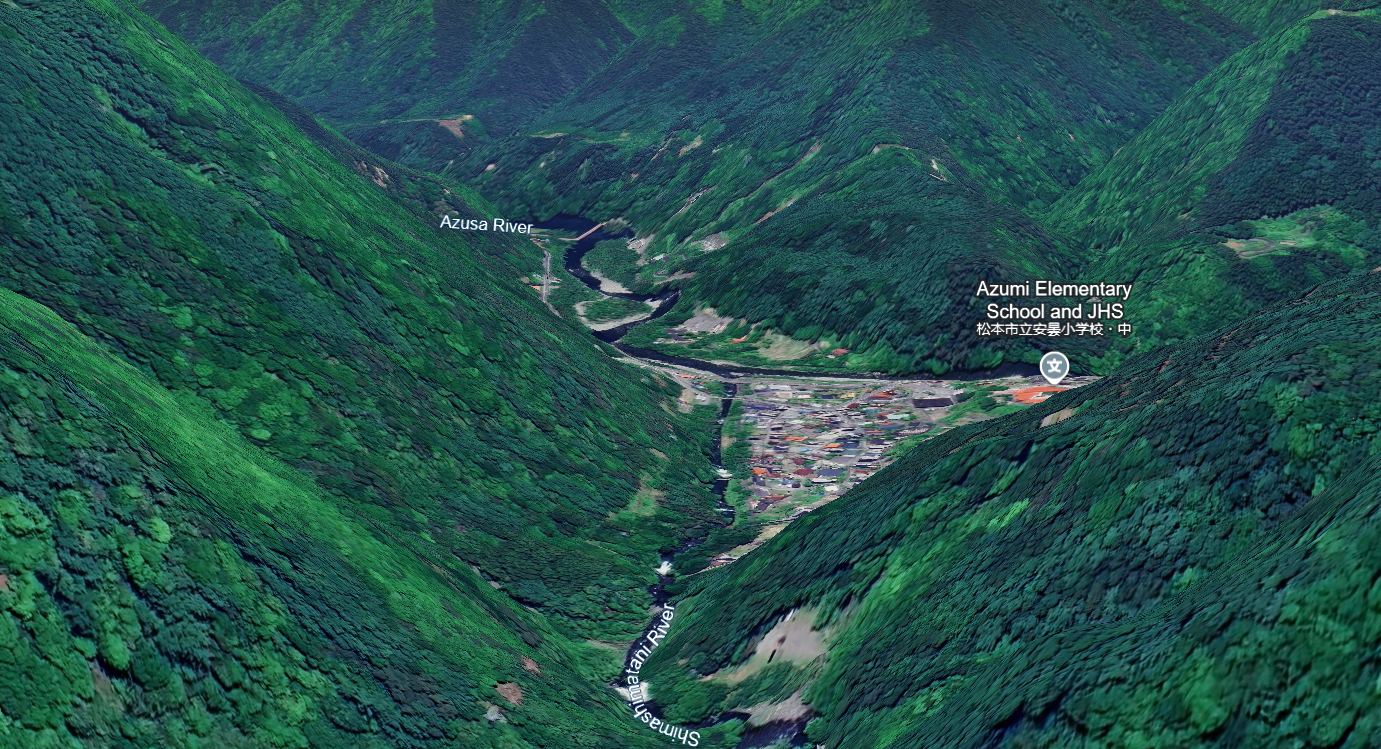
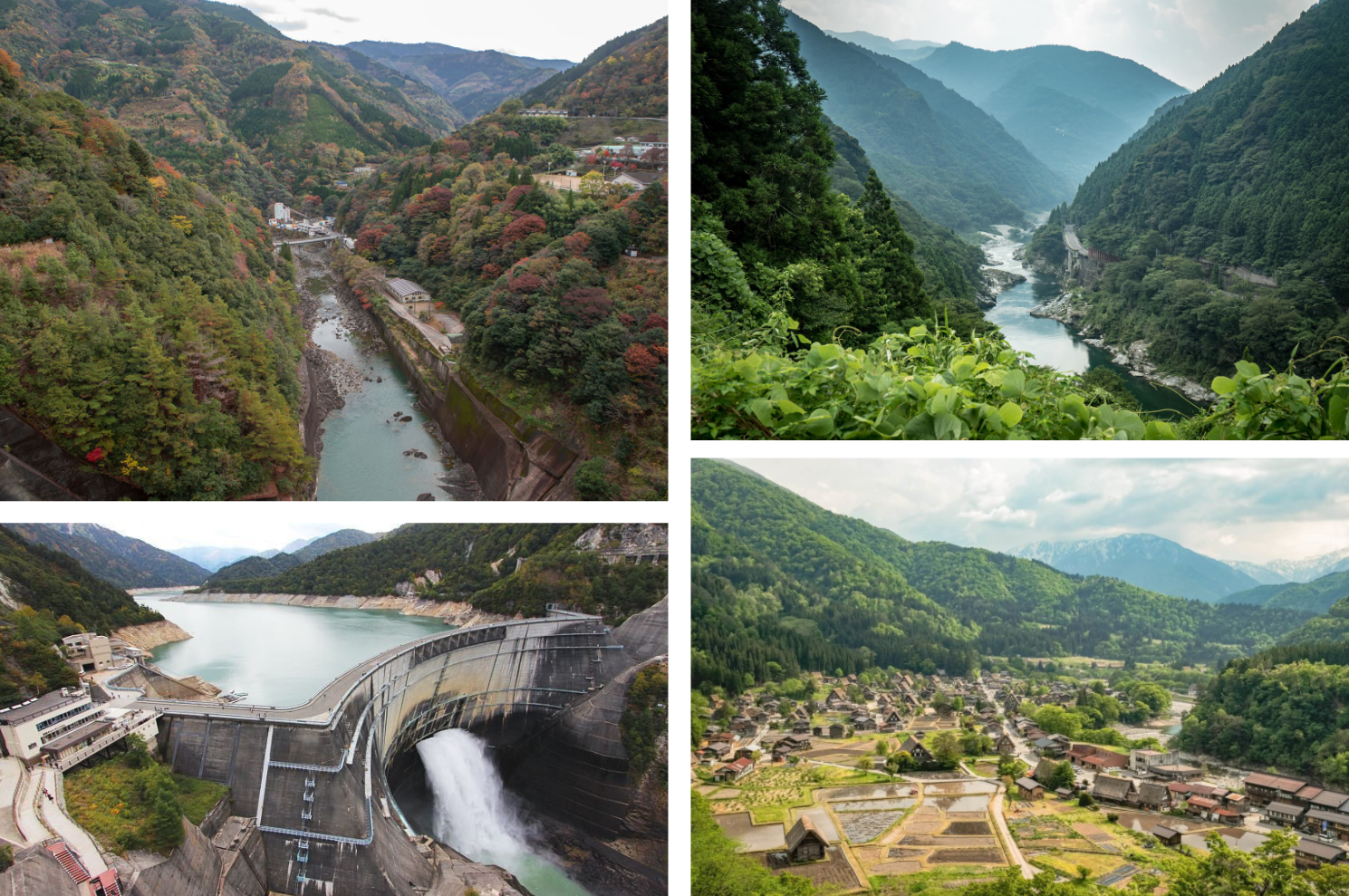
At that point of the production, the context and key visual for environments were all there. The main inspirations of the map were mountainous area in Japan.
Since our game had a Dam that was key to the story, I did my research and used references in Japan, notable the Azusa River and the Kurobe Dam.
It was very important for me to succeed at having a credible grey-block as a foundation, but I also wanted to keep control over the space and layouté. For that purpose, I used World Machine to create the foundation of Tieng Valley.
Once the base was set, I created the map with the core objectives in mind.
My approach was done through 3 Pillars:
Contemplation as gameplay (Curiosity is rewarded)
Slow rhythm (narrative exploration)
Organic Exploration (no markers)
The core mechanic of the game was to archive parts of the environment with a camera and a sound recorder. This required the world to be interesting and have the player feel guided, but not handheld.
WORLD DESIGN INTENT
Encourage slow, player-driven exploration
Use landmarks and geography instead of UI guidance
Maintain readability across large distances and elevation
Support emotional pacing through spatial contrast
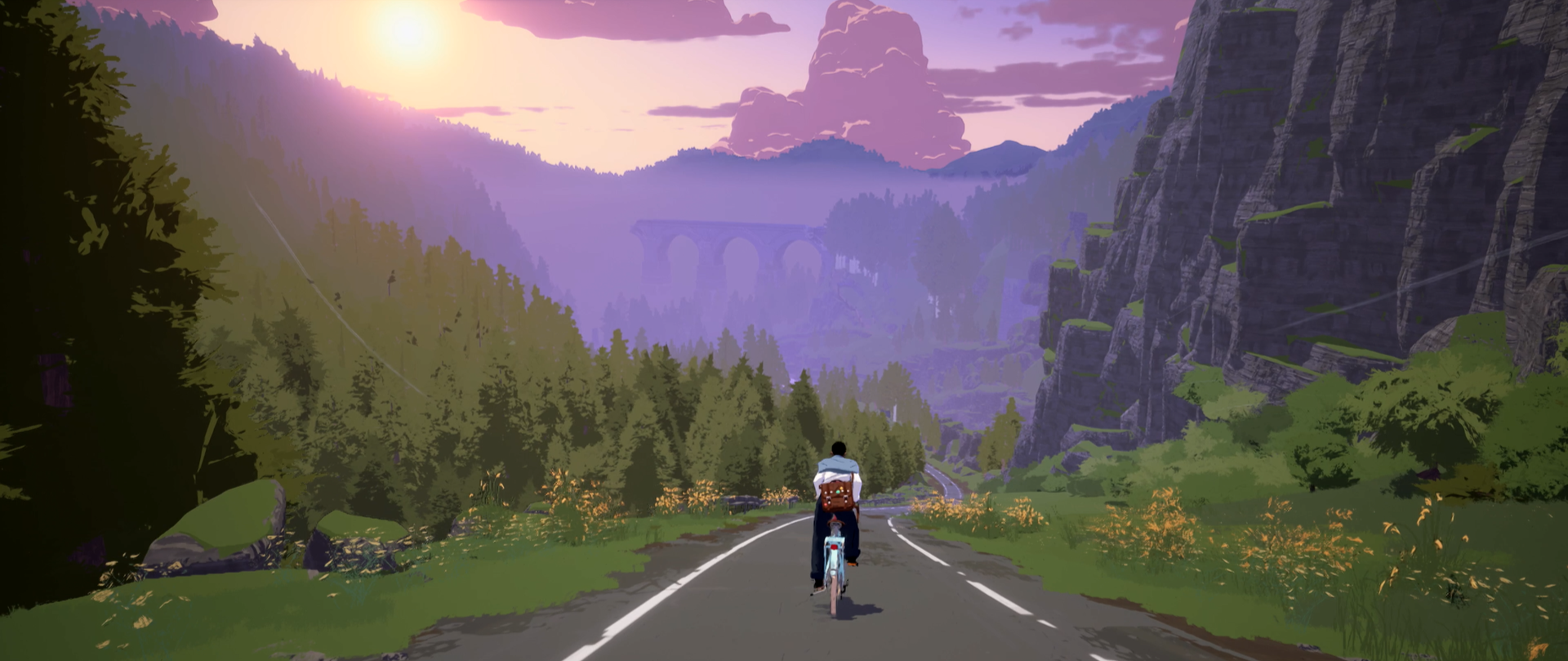
ORGANIC EXPLORATION
My main inspiration for world guiding was Dark Souls (first title).
I wanted to recreate the curiosity that players feel when exploring any FromSoftware worlds which heavily relies on the environment to keep the player interested and engaged. The world was structured to encourage player-led exploration, using geography and landmarks rather than explicit guidance.
The core features for the explorations were:
Contrast through clear hierarchy of landmarks
Guidance through landmarks (as the lighthouse in the storm)
Never rely on UI Markers
Never (or rarely) have deadends.
Strong storytelling & world logic
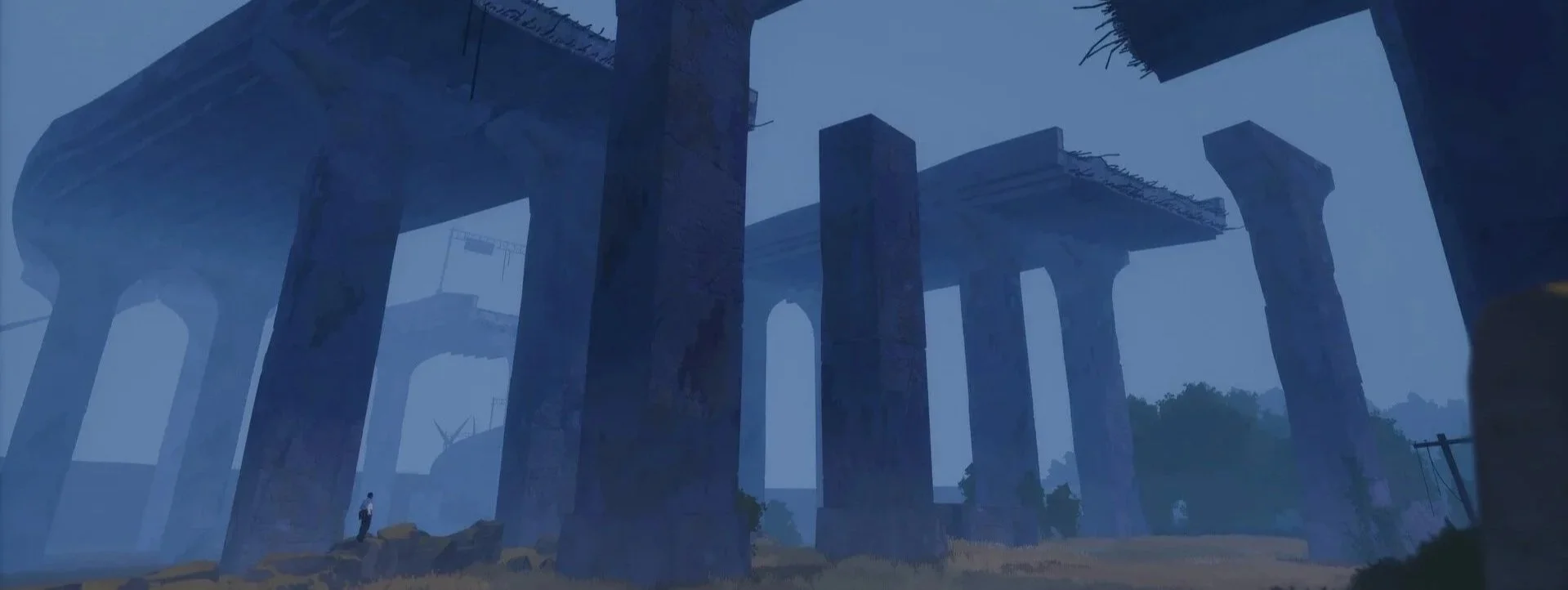
MAP DESIGN
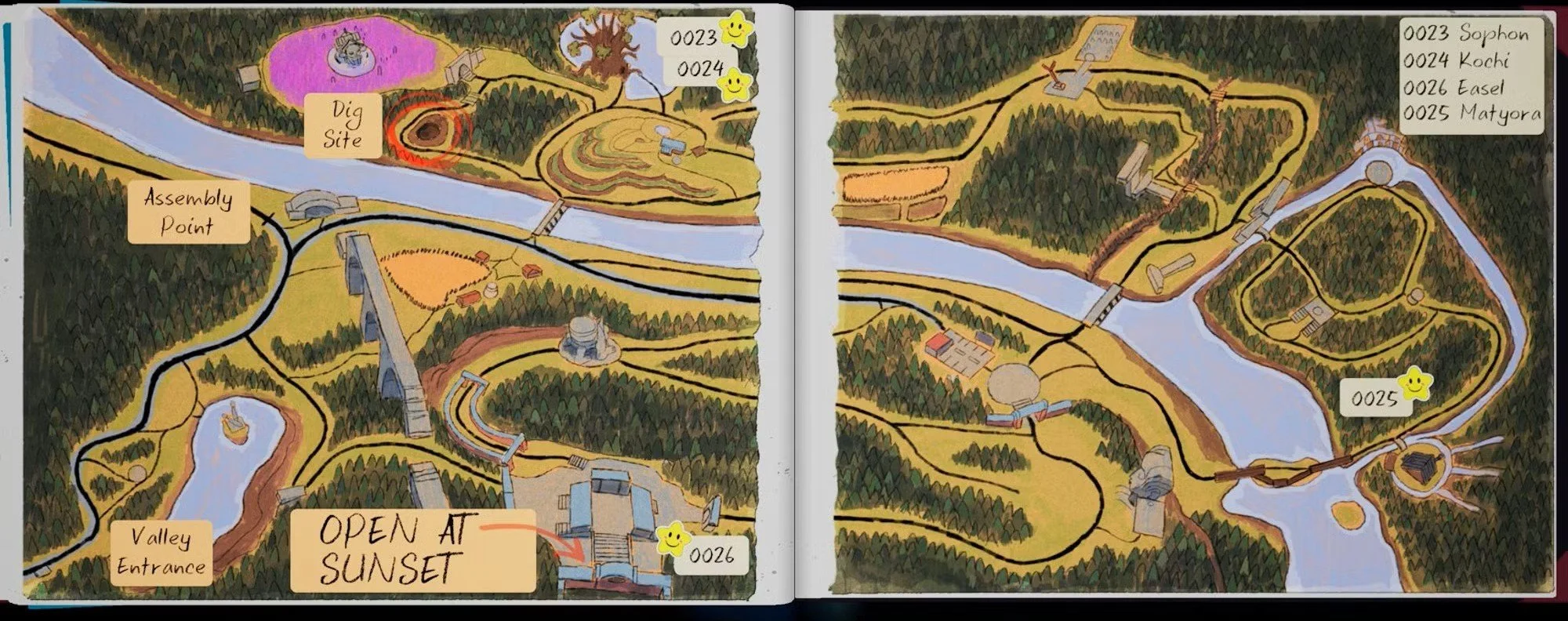
Here is the in-game map with the UI design pass.
The main focus of the map design was to create different sections of the map with strong landmarks and memorable spaces so it would create an imprint in the player’s mind.
More Details upon request.
POI & WORLD
-
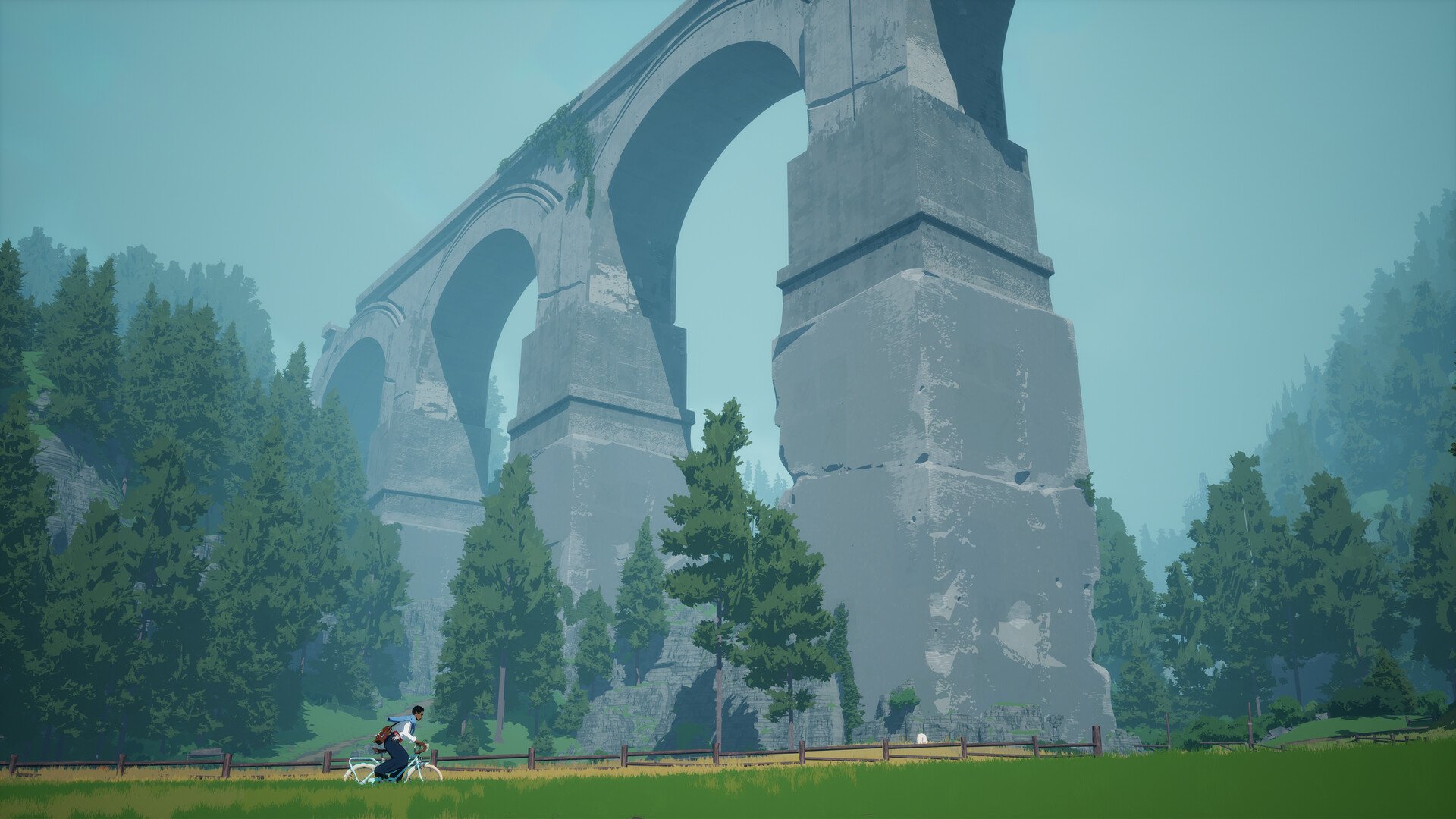
Aqueduc
At the base of the Aqueduc Landmark
LA:
- Alex Rodrigue
- Ge B.
Other LDs:
- Olivier Reeves
- Asen TsvetovPlayer Screenshot by pin044io
-
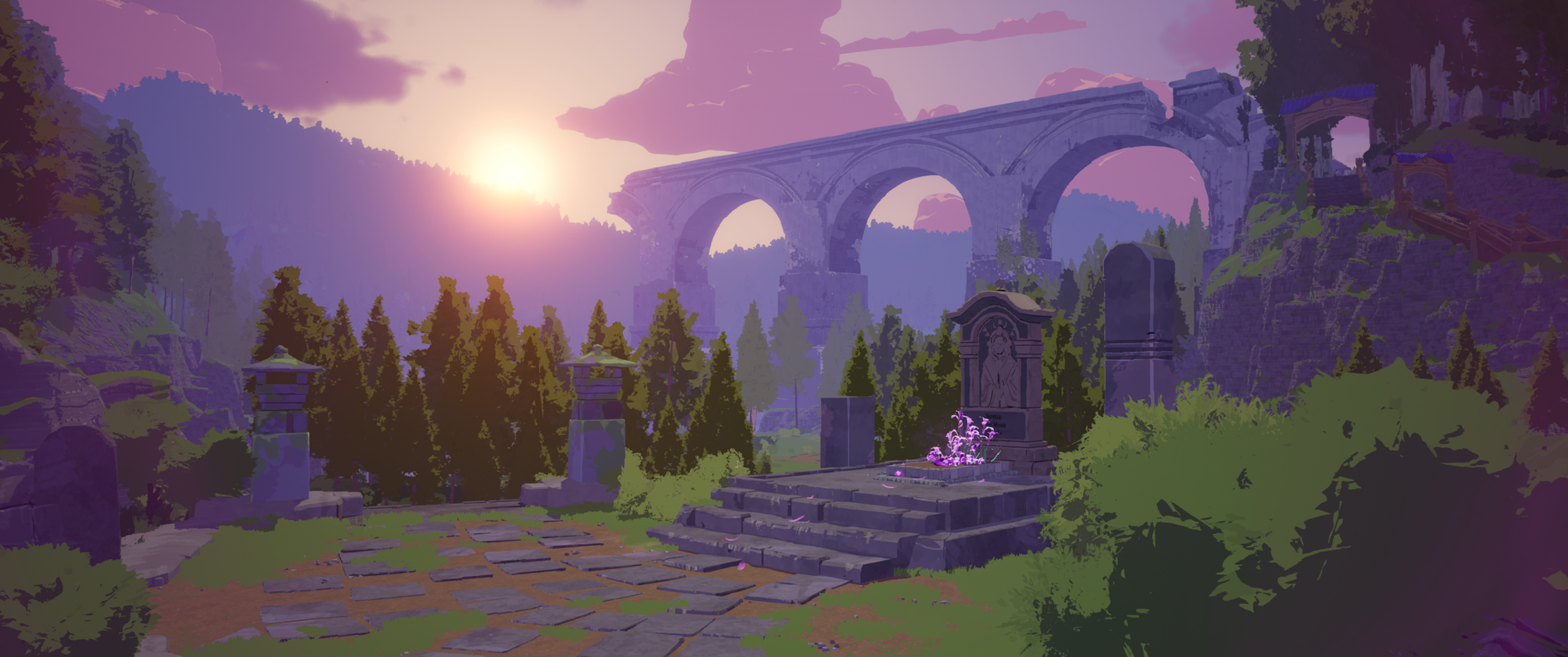
Memorial Site
First Vantage Point of the Tieng Valley Map.
LA:
- Alex Rodrigue
- Ge B.Narrative Designer:
- Jane Tan
- Megan HutchisonOther LDs:
- Olivier Reeves
- Asen Tsvetov -
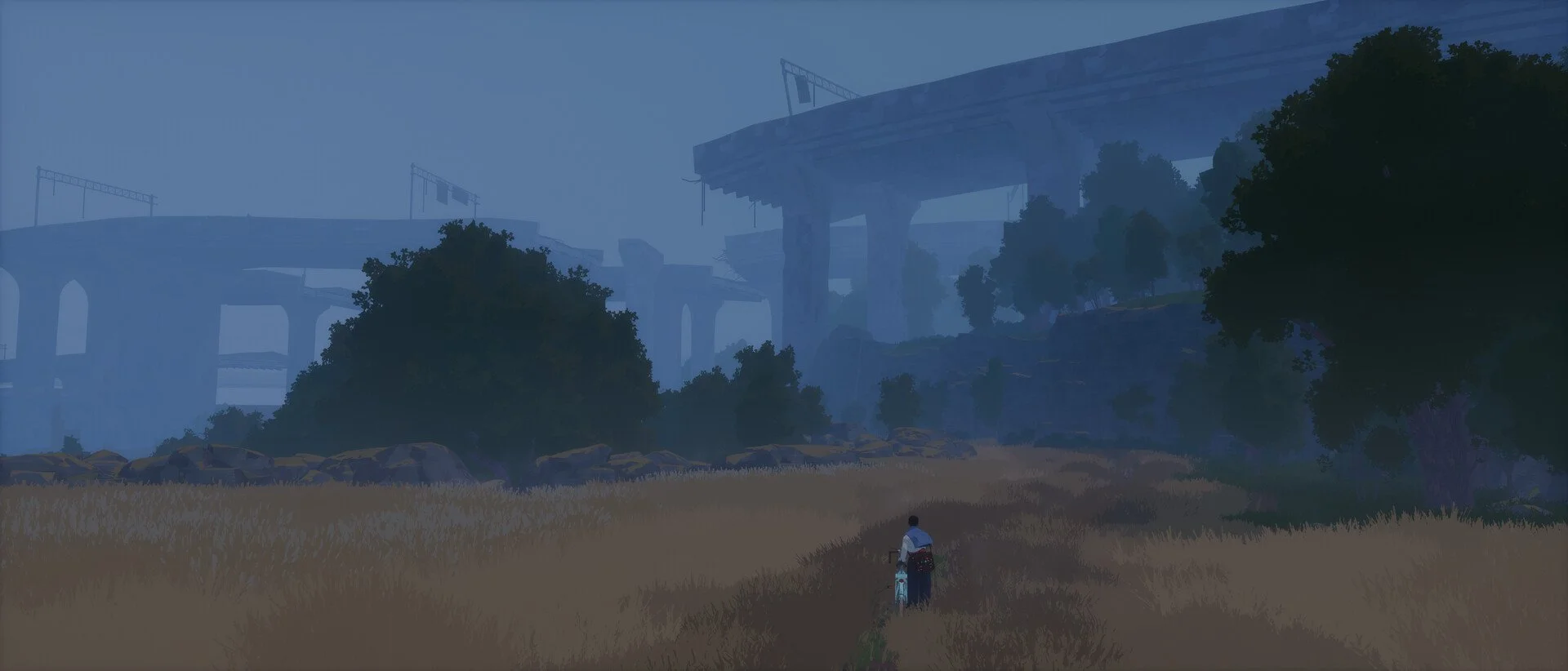
HIGHWAY RUINS
Linear transition map between two acts.
LA:
- Alex Rodrigue
- Ge B.
Other LDs:
- Olivier Reeves
- Asen TsvetovPlayer Screenshot by pin044io
-
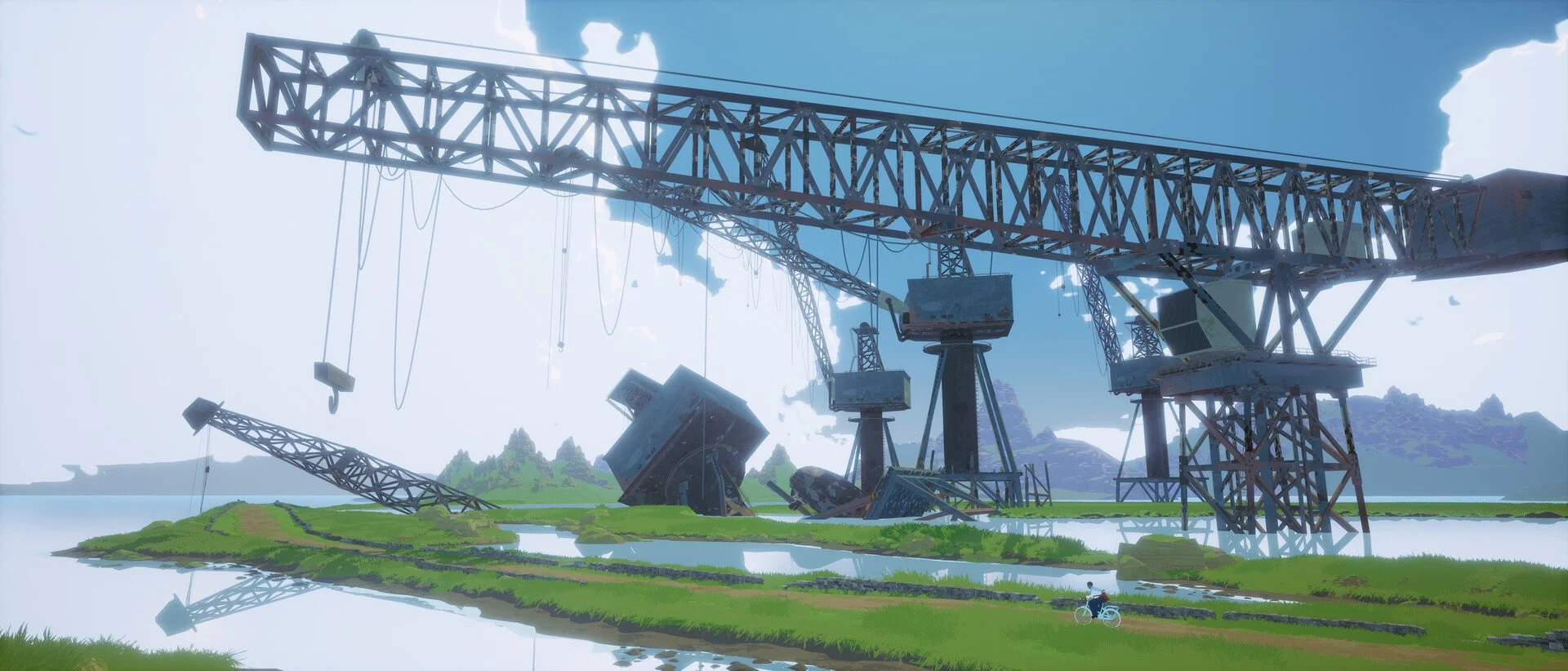
Village Exit
Linear transition map between two acts.
LA:
- Alex Rodrigue
- Ge B.
Other LDs:
- Olivier Reeves
- Asen TsvetovPlayer Screenshot by pin044io
-
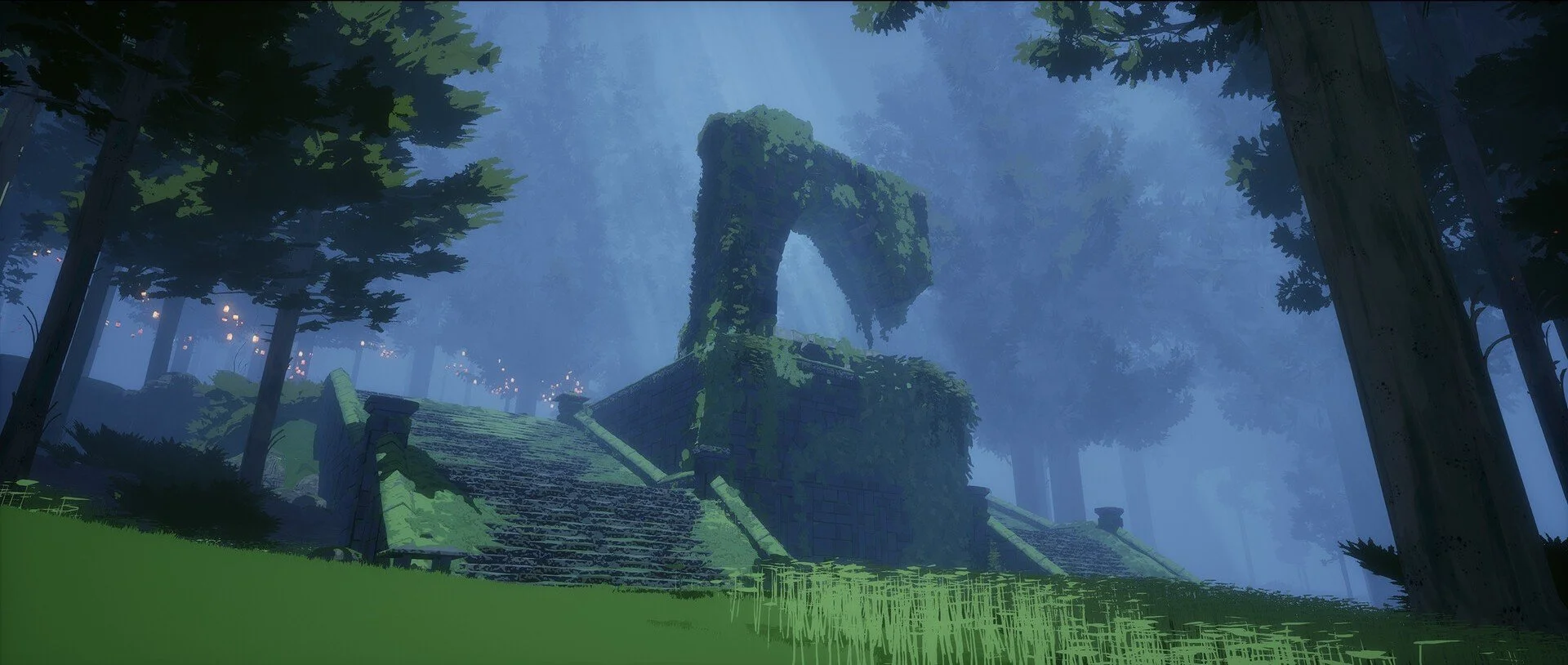
Forest Ruins
Small POI in the forest.
LA:
- Alex Rodrigue
- Ge B.
Other LDs:
- Olivier Reeves
- Asen TsvetovPlayer Screenshot by pin044io
-
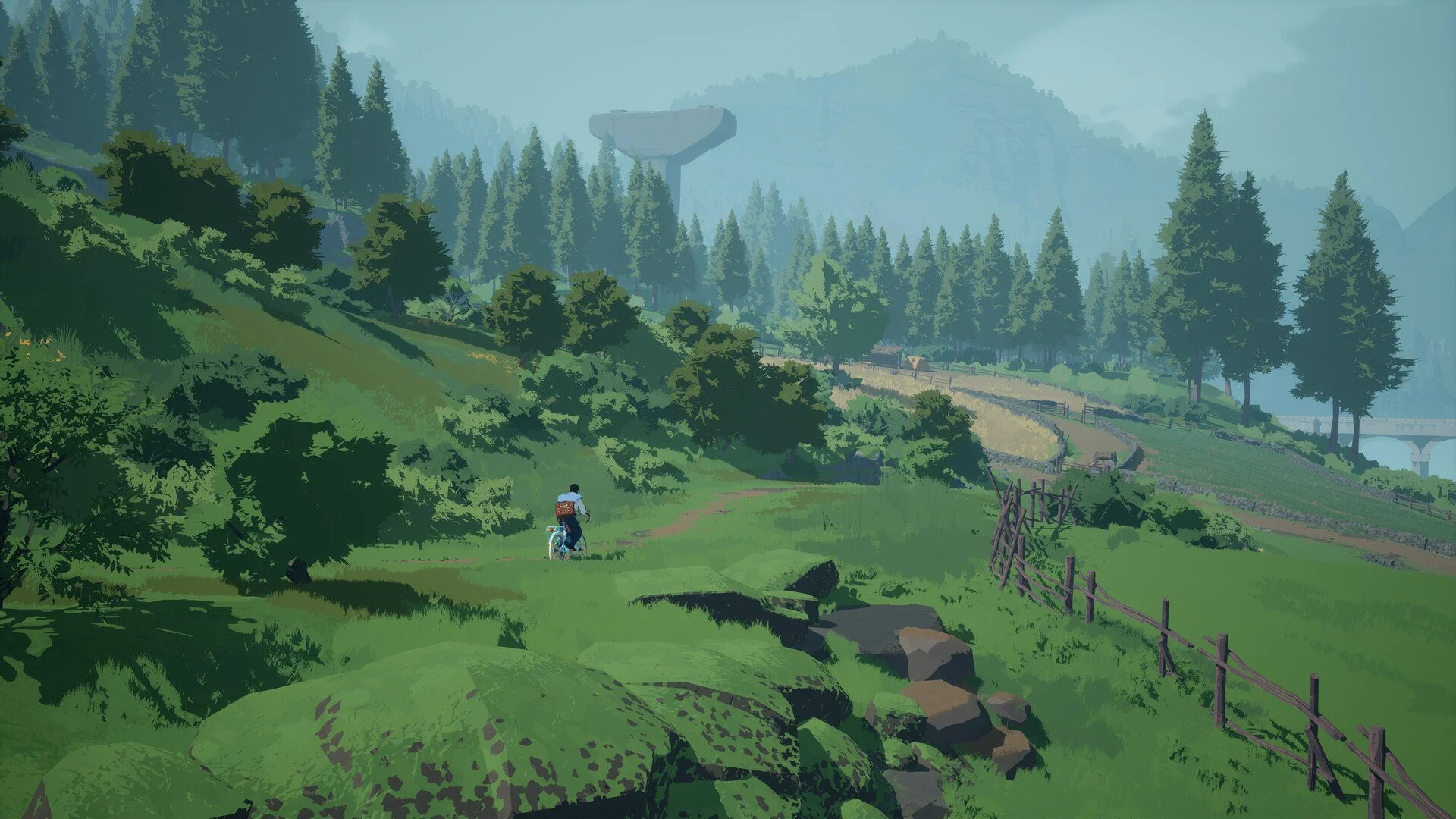
Tieng Valley
Tieng Valley: Semi-Open Hub
LA:
- Alex Rodrigue
- Ge B.
Other LDs:
- Olivier Reeves
- Asen TsvetovPlayer Screenshot by pin044io
-
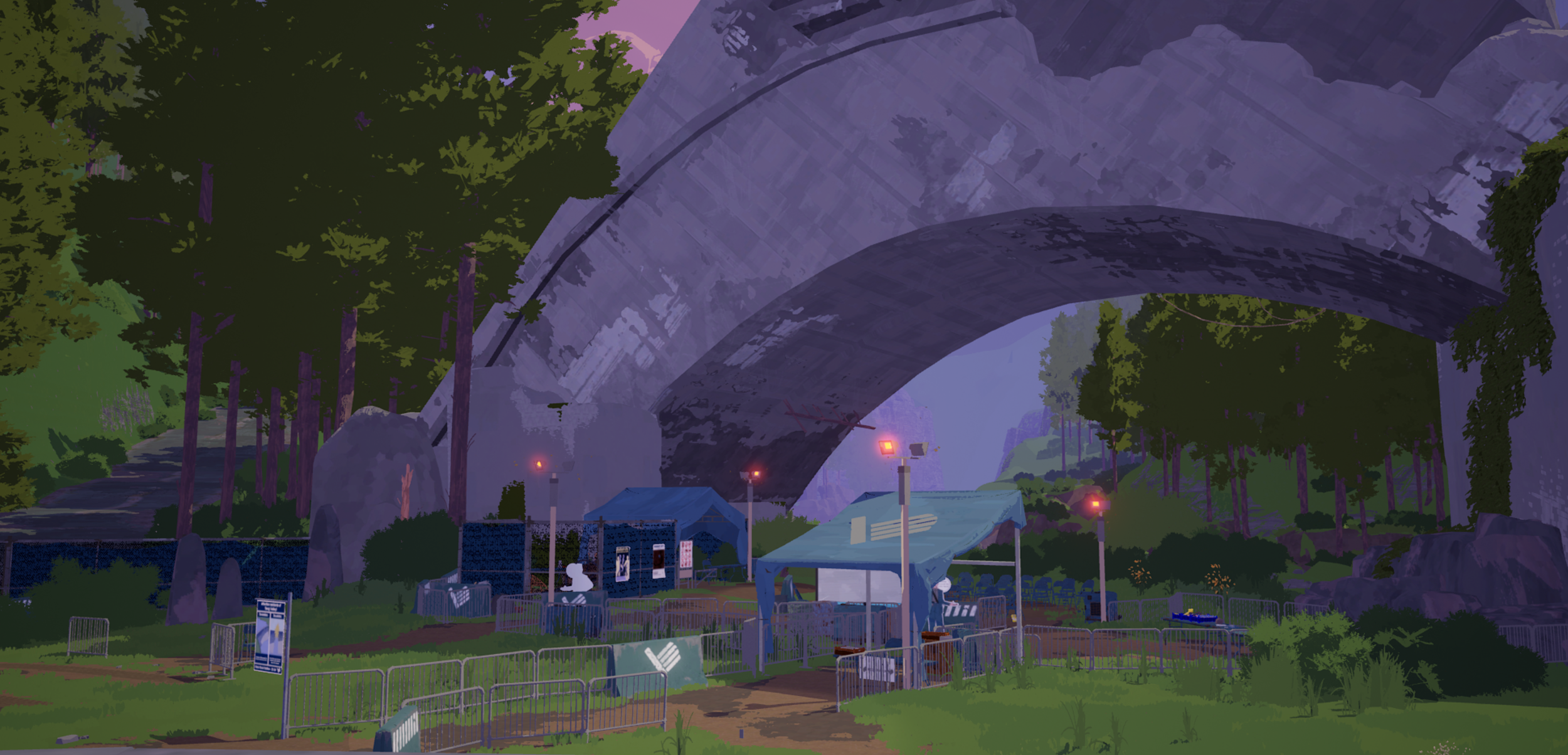
Evacuation Site
Small POI in Tieng Valley
LA:
- Alex Rodrigue
- Ge B.
Other LDs:
- Olivier Reeves
- Asen Tsveto -
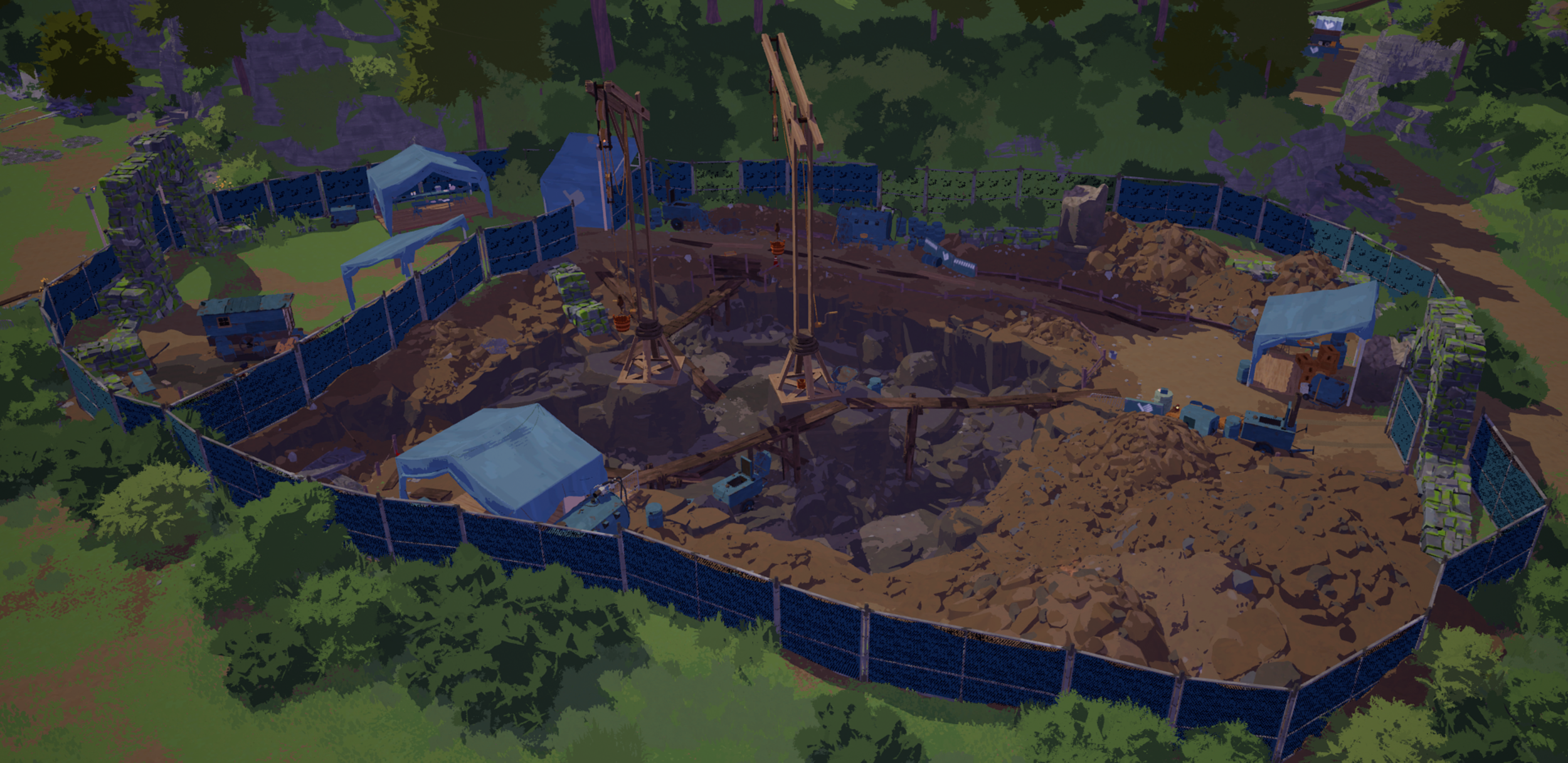
Dig Site
Layout of the POI
-
And More...